“Influence Isn’t Claimed; It’s Earned Through Trust”
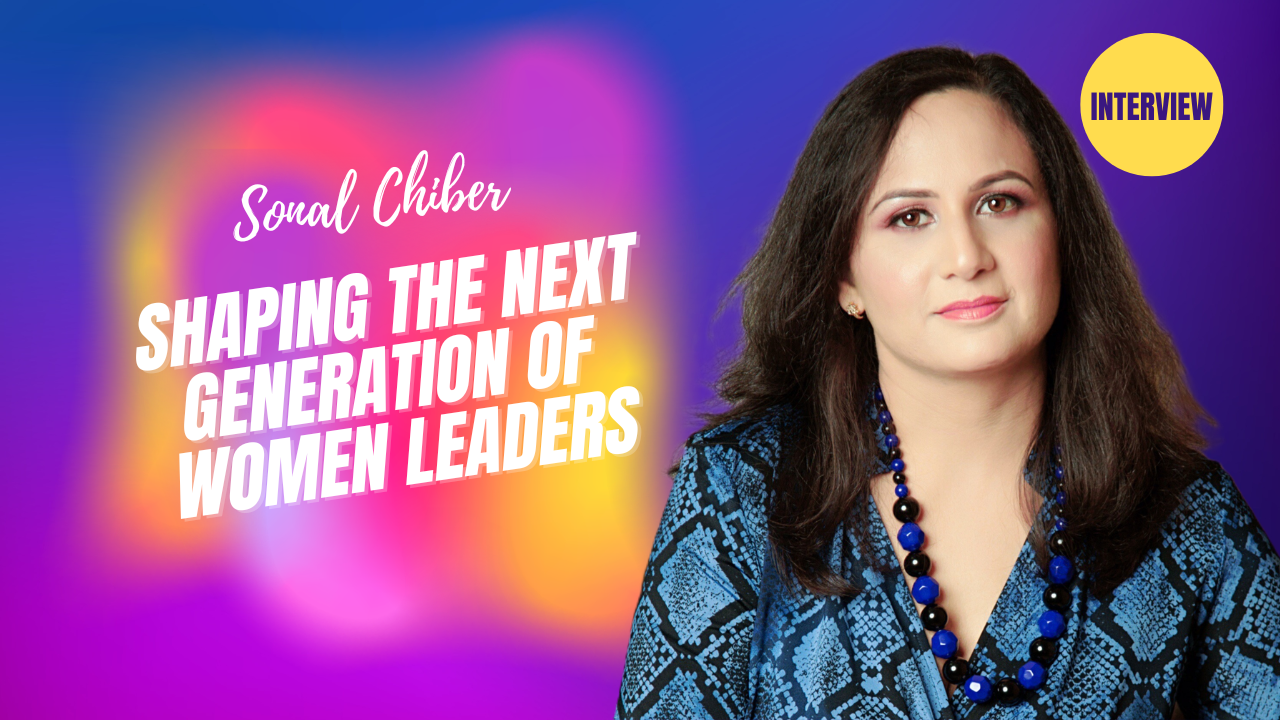
Sonal Chiber, Senior Consultant for Financial Services across the Middle East, North Africa and Europe, shares insights from her experience working across global teams and high-pressure projects. She discusses the importance of credibility, visibility and strategic thinking, the challenges women still face in leadership, and why adaptability and technological awareness will shape the future of leadership.
What defining moments or challenges most shaped your professional journey?
Stepping into leadership roles across diverse sectors and global teams pushed me to evolve quickly, especially in rooms where I was often the only woman or the only voice from a different cultural perspective. One defining moment was leading high-stakes communications during large-scale international projects, where decisions had real reputational and operational impact. Those experiences taught me resilience, strategic thinking under pressure, and the importance of staying authentic even when expectations try to shape you otherwise.
What barriers do women still face in leadership today that aren’t talked about enough?
One of the least discussed barriers is the invisible pressure to constantly prove credibility. Many women are evaluated not just on performance but on perception — tone, confidence, likability, assertiveness. There’s also the subtle exclusion from informal networks where key decisions and opportunities originate.
How have you built credibility and influence in environments where women are underrepresented?
By delivering consistent results, being deeply prepared, and speaking with clarity backed by data and insight. Influence isn’t claimed; it’s earned through trust. I’ve also learned that visibility matters — sharing ideas, contributing strategically, and ensuring your work is seen at the right tables.
How is technology—especially AI and automation—changing leadership expectations in your industry?
Leaders today must combine human intelligence with technological fluency. AI is accelerating decision-making, but it also requires leaders to be more ethical, more transparent, and more adaptable. The expectation is no longer just to manage teams, but to interpret data, anticipate change, and guide people through transformation.
What skills or mindsets will be most critical for the next generation of women leaders?
Adaptability, strategic thinking, emotional intelligence, and financial acumen will be essential. Just as important is a mindset of ownership — not waiting for permission to lead, speak, or innovate.
What role have mentorship and sponsorship played in your career, and how do you support others today?
Mentors helped me refine my perspective, while sponsors opened doors I couldn’t access alone. Today, I consciously do both for others — guiding, advocating, and connecting women to opportunities, because representation grows when we lift as we rise.
How can organizations move beyond policies to create cultures where women genuinely thrive?
Policies create structure, but culture creates reality. Organizations must hold leadership accountable for inclusion outcomes, not just intentions. Real change happens when inclusion is tied to performance metrics, leadership evaluations, and business strategy.
What advice would you give young women considering careers in IT, security, or leadership roles?
Don’t wait to feel ready — readiness comes through action. Build competence, stay curious, and never underestimate the power of your perspective. Technical skills can be learned; confidence is built by showing up consistently.
What does International Women’s Day mean to you, and what real change would you like to see beyond it?
For me, it’s a moment of reflection and responsibility. Celebration is important, but progress is the goal. I would like to see measurable shifts — more women in decision-making roles, equitable pay, and workplaces where inclusion is not an initiative but a norm.