
Force Majeure Is Evolving From Boilerplate Language Into a Critical Risk-Management Tool
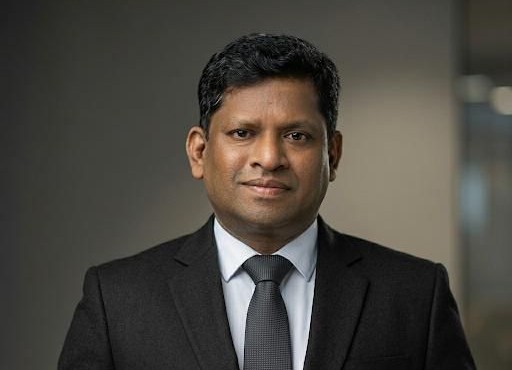
From war and sanctions to supply chain shocks, recent global disruptions are reshaping how businesses in the UAE draft contracts and manage risk. Vinodh Kumar, Resident Partner at DSK Legal in Dubai, explains how force majeure is evolving from boilerplate language into a critical risk-management tool—while disputes, restructurings, and compliance pressures rise across sectors.
How are force majeure clauses evolving in the UAE?
Force Majeure is dealt with under Article 273 of the Civil Transactions Law. However, it is worth noting (and quite important to understand) that it operates alongside Article 249 of the same legislation (the hardship/unforeseen circumstances doctrine), and the two are frequently conflated in practice. Article 249 is the provision that allows a court to reduce an obligation to a reasonable level where performance has become oppressively burdensome due to exceptional, unforeseeable events.
The critical distinction is that Article 273 deals with true impossibility (the contract cannot be performed at all), while Article 249 deals with excessive onerousness (the contract can technically be performed but at a disproportionate cost or burden). Courts and tribunals have not always drawn this line cleanly, which creates drafting risk for parties who conflate hardship and force majeure in a single clause.
The practical consequences are often underappreciated. Under the Civil Transactions Law framework, temporary impossibility suspends the obligation rather than extinguishing it. This means that once the force majeure event ends, the obligation revives — and unless the contract specifies otherwise, the counterparty cannot treat the suspension period as a breach or use it as a basis for termination. This is a significant departure from what many common law-trained practitioners assume, and contracts governed by UAE law that are drafted with a common law mindset often fail to address the revival of obligations explicitly.
Despite all the sophistication being added to force majeure clauses, relatively few UAE-law contracts adequately address the position of sub-contractors and supply chains in the force majeure waterfall such as, what happens when a subcontractor’s force majeure event triggers the main contractor’s inability to perform, and whether the main contractor can pass that force majeure upward. The law does not automatically permit this, and the drafting frequently leaves it ambiguous.
In practice, parties are now drafting clauses with far greater specificity, moving beyond generic references to “acts of God.” Recent disruptions have highlighted the need to expressly cover scenarios such as armed conflict, sanctions, pandemics, and supply chain breakdowns. Businesses are also becoming more cautious about mischaracterizing commercial hardship or delay as force majeure, since the law requires true impossibility rather than mere difficulty.
Another trend is the inclusion of detailed procedures for notification and mitigation, ensuring that parties act promptly to minimize the impact of unforeseen events. Contracts increasingly spell out whether obligations are suspended, reduced, or terminated, depending on the nature of the impossibility. This precision helps reduce disputes and provides clearer guidance for courts and arbitral tribunals.
In summary, the geopolitical and economic shocks of recent times, particularly war and global supply chain crises have accelerated this shift. Companies are reviewing existing contracts to tighten language, allocate risk more transparently, and avoid uncertainty in enforcement. As a result, force majeure clauses in the UAE are evolving into more sophisticated risk‑management tools (as against boilerplate provisions), balancing flexibility with legal certainty.
Are commercial disputes and restructurings on the rise?
Yes, both disputes and restructurings are becoming more frequent. Recent geopolitical tensions have led to contract breaches, delayed payments, and supply chain interruptions, which in turn are driving more cases into litigation. At the same time, many companies are restructuring debt and renegotiating contractual terms to safeguard liquidity and maintain stability.
We are also seeing businesses take a more proactive stance on contract management, with clearer provisions on risk allocation and dispute resolution. Restructuring often involves not only financial adjustments but also operational changes, such as simplifying supply chains or revisiting vendor relationships. The broader pattern is unmistakable: disruption linked to conflict and global instability is pushing businesses into dispute resolution and restructuring processes more often, making forward‑looking planning and robust contract drafting essential.
In addition, lenders and investors are becoming more cautious, which is prompting companies to strengthen governance and transparency in restructuring negotiations. This heightened scrutiny is reshaping how businesses approach risk, with many now treating dispute readiness and restructuring capacity as core elements of resilience planning.
What legal risks are emerging from ongoing supply chain disruptions?
Supply chain disruptions in the UAE are increasingly giving rise to legal exposure. Border closures, port congestion, and sanctions are creating pressure points in contracts, particularly where delivery timelines are critical. Under UAE law, the central question is whether disruption amounts to impossibility of performance (force majeure) or simply delay, since the consequences differ significantly.
The risks are varied: disputes over missed delivery obligations, claims arising from supplier insolvencies, and liability issues linked to sanctions or non‑conforming goods. Businesses are also facing challenges in proving whether a disruption truly qualifies as force majeure, as courts distinguish between genuine impossibility and commercial inconvenience.
In response, companies are revising INCOTERMS to clarify risk allocation, strengthening insurance provisions to cover unforeseen losses, and embedding arbitration clauses to streamline dispute resolution. Many are also conducting proactive contract reviews to identify weak points and renegotiating terms to ensure resilience against future shocks.
Another emerging trend is the emphasis on compliance frameworks; businesses are tightening internal controls to avoid inadvertent breaches of sanctions or trade restrictions. At the same time, supply chain partners are being vetted more rigorously, with due diligence becoming a standard part of contractual negotiations. These measures reflect a broader shift: supply chain risk is no longer treated as a purely operational issue but as a core legal and strategic concern.
What UAE employment law changes are impacting workforce strategies?
UAE employment law reforms are reshaping workforce strategies in a significant way. Fixed‑term contracts are now mandatory for MOHRE‑regulated employers, replacing the older unlimited contract model, which means companies must plan carefully for renewals and terminations.
While government employees, domestic workers, and those in free zones such as DIFC and ADGM remain outside this framework, most mainland employers face stricter compliance obligations, with violations attracting heavy penalties. These changes are also accompanied by new flexibility models, allowing part‑time and temporary work arrangements, but requiring careful drafting to remain compliant.
In the current geopolitical climate, employers are expected to prioritize workforce safety and resilience, integrating risk management into HR policies. As a result, businesses are revisiting their strategies to balance compliance, flexibility, and employee wellbeing, while aligning with international standards that aim to modernize the UAE labour market.
The reforms also encourage greater transparency in employment relationships, with clearer documentation of rights and obligations to reduce disputes. At the same time, HR teams are being pushed to adopt more structured workforce planning, ensuring that contract cycles, compliance checks, and employee engagement initiatives are seamlessly integrated into business operations.
How can businesses stay compliant in an increasingly complex regulatory environment?
In today’s UAE business landscape, compliance can no longer be treated as a check box exercise. Regulatory complexity has deepened with the introduction of corporate tax, stricter VAT enforcement, enhanced anti‑money laundering (AML) obligations, and sector‑specific rules across finance, real estate, energy and so on. On top of this, geopolitical instability has added layers of sanctions, cross‑border restrictions, and heightened regulatory scrutiny, making compliance a priority for businesses.
To remain resilient, companies are embedding compliance into their operational functions. This means conducting proactive internal audits, maintaining clear and accessible documentation, and engaging regularly with regulators to build trust and transparency. Many businesses are also investing in compliance technology such as automated reporting tools and risk dashboards to monitor obligations in real time.
Another thing to pay attention to is the integration of compliance into corporate governance frameworks. Boards and senior management are increasingly expected to oversee compliance risk, with regulators emphasizing accountability at the leadership level. At the same time, cross‑functional training is becoming essential, ensuring that finance, legal, and operations teams all understand their obligations under tax, AML, and sanctions regimes.
Ultimately, businesses that treat compliance as part of their planning rather than a reactive burden are better positioned to avoid penalties, preserve continuity, and maintain credibility with investors, regulators, and customers.
