Confidence, Mentorship and Conviction Shaping the Future of Women in Leadership
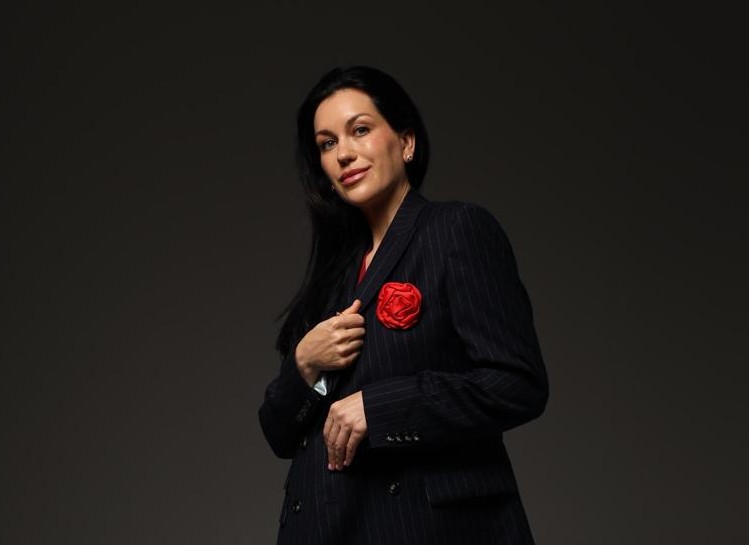
Dr. Anna Zakhozha, Dermatology Specialist at Hortman Clinics, reflects on the experiences that shaped her career, from trusting her instincts when choosing dermatology to building a professional life in a new country. She discusses the challenges women still face in leadership, the importance of mentorship and continuous learning, and why future leaders must combine emotional intelligence with technological awareness.
What defining moments or challenges most shaped your professional journey?
One of the most defining moments in my journey was choosing dermatology as my specialty. Ironically, I received my lowest university grade in dermatology because of a very strict professor. But deep inside, I knew this was the field I understood most intuitively and felt most passionate about. That experience taught me an early lesson: sometimes external evaluation does not reflect internal conviction.
The real turning point came during my internship when I met an exceptional mentor. His knowledge, generosity, and professionalism deeply inspired me. I remember clearly thinking, “I want to be like him.” That moment shaped not only my career direction but also the kind of professional I strive to become.
Another defining moment was moving to a new country without family or friends. Stepping completely out of my comfort zone forced me to grow. It strengthened my resilience, independence, and belief in myself.
What barriers do women still face in leadership today that aren’t talked about enough?
Women are still judged through a different lens. We are often labeled as “too emotional,” “too empathetic,” or “too soft,” while those same traits in men are framed as sensitivity or emotional intelligence. There is a much smaller margin for error for women—our mistakes are remembered longer, and our failures are judged more harshly. Men are often allowed to fail, learn, and move forward more easily.
Another important but less visible barrier is the invisible labor women carry. Many women choose family alongside their careers and still manage the majority of responsibilities at home. The lack of structural and emotional support remains a significant challenge.
How have you built credibility and influence in environments where women are underrepresented?
I focused first on mastering my technical skills. Competence builds confidence, and confidence builds credibility. I also sought mentorship—especially from strong female role models—and intentionally surrounded myself with high-achieving, credible professionals. Consistent networking and continuous learning have been essential in establishing influence.
How is technology—especially AI and automation—changing leadership expectations in your industry?
I have recently begun exploring AI more deeply, and I see enormous potential. AI can now analyze leadership performance, identify strengths and weaknesses, and even help create personalized development plans rather than generic training programs. When used thoughtfully, AI tools can support more informed and strategic decision-making.
However, technology does not replace human judgment—it enhances it. Leaders must learn how to use these tools responsibly and strategically.
What skills or mindsets will be most critical for the next generation of women leaders?
Strategic thinking will be essential. Emotional intelligence will remain a core leadership strength. And increasingly, digital fluency—including understanding AI and emerging technologies—will be critical. The leaders of the future will need both human depth and technological competence.
What role have mentorship and sponsorship played in your career, and how do you support others today?
Mentorship has shaped every stage of my life. My first mentor was my mother. She demonstrated what strength looks like—working long hours and still coming home to cook fresh meals and help with homework. She showed me that women can carry responsibility with dignity and grace.
My second mentor was my internship supervisor—the person who inspired my professional direction. He combined knowledge, generosity, and humanity in a way that left a lasting impression on me. Most recently, I’ve been guided by a mentor who focuses on psychological clarity at work and why many millennials underestimate themselves. That guidance has helped me refine my mindset and self-perception.
Today, I try to give back primarily through advice, encouragement, and sharing my experience with others who are navigating similar paths.
How can organizations move beyond policies to create cultures where women genuinely thrive?
Policies alone are not enough. Organizations need active sponsorship—pairing high-potential women with senior executives who can advocate for their visibility and advancement. Creating inclusive cultures also requires engagement. Meaningful team-building activities, open dialogue, and transparent promotion pathways help foster belonging and confidence. Real change happens when opportunity is intentional, not accidental.
What advice would you give young women considering careers in IT, security, or leadership roles?
Find a mentor. Protect your mental well-being. Try the things that genuinely interest you. Do not wait for permission to explore your ambitions. Regret often comes not from failure, but from not trying.
What does International Women’s Day mean to you, and what real change would you like to see beyond it?
International Women’s Day represents strength, resilience, and achievement. It is a reminder that our voices matter.