Why Mentorship, Balance, and Technology Are Shaping the Future of Women in Leadership
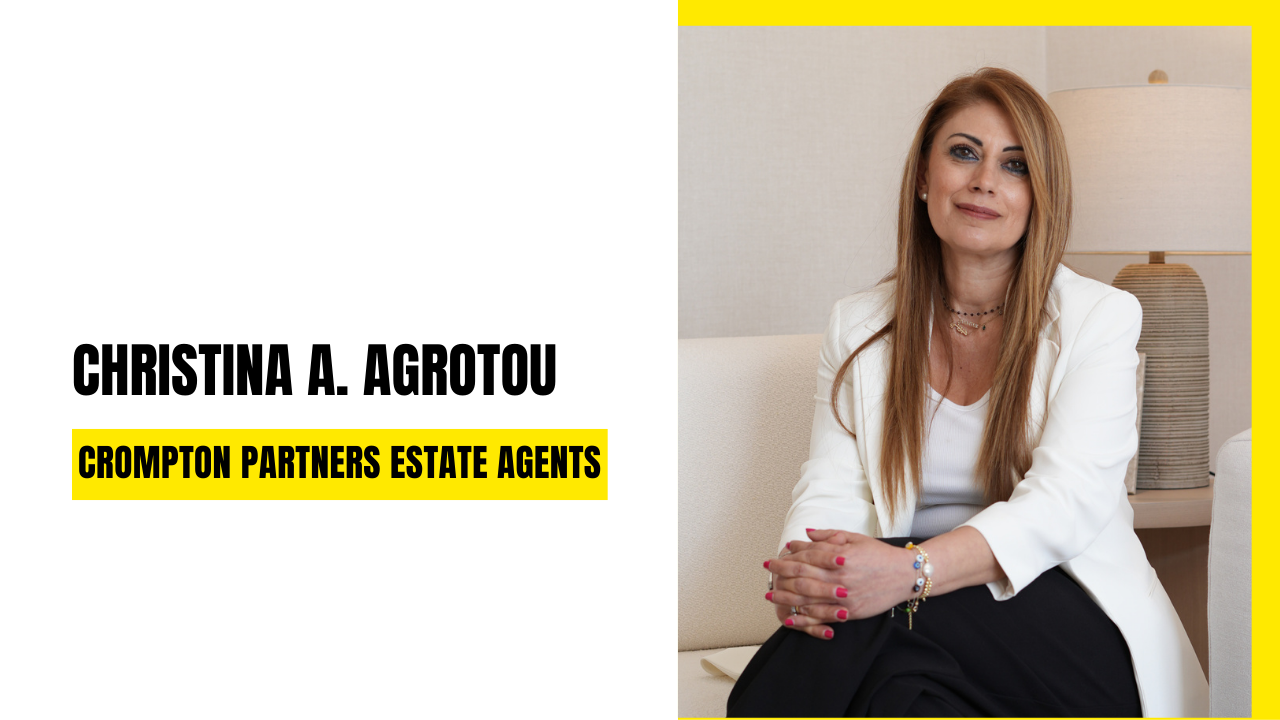
With more than two decades of leadership experience across industries, Christina A. Agrotou, Chief Operating Officer at Crompton Partners Estate Agents, believes leadership is defined not by titles but by impact. In this conversation, she reflects on the moments that shaped her journey, the evolving expectations of leaders in an AI-driven world, and why authenticity, mentorship, and empathy are essential for the next generation of women leaders.
What defining moments or challenges most shaped your professional journey?
I have been in leadership for over 20 years across different industries, and the moments that shaped me most weren’t the titles or achievements — they were the responsibilities and the people. Leadership isn’t about position; it’s about impact, mentoring, and empowering others to grow. Throughout my journey, I faced moments of doubt, difficult decisions, and high-pressure situations that tested my resilience and judgment.
As a woman in competitive industries, I learned early on that authenticity is my greatest strength — I didn’t need to fit someone else’s definition of leadership. The most transformative moments were the human ones: mentoring team members, seeing them step into leadership roles, and knowing that a structured, supportive environment enabled their success. Leadership, I’ve learned, is about creating space for others to rise — and that responsibility continues to guide me every day
What barriers do women still face in leadership today that aren’t talked about enough?
Personally, I feel fortunate that I haven’t faced significant barriers in my leadership journey. However, one challenge that many women — including myself at times — continue to navigate is achieving a healthy work-life balance, particularly when balancing family and professional responsibilities.
Leadership is demanding and often requires long hours, difficult decisions, and constant focus. As a woman, there is often an unspoken expectation to excel at work while also being fully present for family and personal life. Striking that balance can be challenging, and it requires planning, prioritization, and support from both the workplace and home.
I believe this is one of the most important conversations to have today: how organizations can create environments that allow women to thrive professionally while also honouring their family and personal commitments. When we support this balance, we enable women to lead authentically, confidently, and sustainably.
How have you built credibility and influence in environments where women are underrepresented?
Building credibility in industries where women are underrepresented begins with consistently demonstrating competence, integrity, and results. Early in my career, I realized that actions speak louder than words — delivering consistently, making informed decisions, and taking accountability earned respect and trust from colleagues and leaders alike.
Influence comes not from asserting authority, but from building relationships and empowering others. I’ve focused on listening, understanding different perspectives, and creating collaborative solutions that drive results while respecting everyone’s contributions.
Mentorship and visibility have also been key. By mentoring others and sharing knowledge, I’ve been able to create impact beyond my immediate role and demonstrate the value women bring to leadership. Over time, credibility grows organically when your work, values, and consistency speak for themselves.
Ultimately, I’ve learned that influence is earned through expertise, empathy, and authenticity — and that leading by example opens doors not just for oneself, but for other women as well.
How is technology—especially AI and automation—changing leadership expectations in your industry?
In real estate, technology is transforming the way we work and how we lead. I’ve seen firsthand how AI and automation can streamline processes, provide instant insights, and free our teams from repetitive tasks — allowing us to focus on what truly matters: people, strategy, and growth.
Internally, we have developed our own AI tools, which help us streamline operations, enhance efficiency, and provide real-time support across the business. Automation isn’t optional; it’s a necessity to ensure leaders can spend their energy mentoring, empowering, and connecting with their teams
What this means for leadership is that expectations have shifted. Today’s leaders need to be tech-savvy and adaptable, guiding teams through new tools while maintaining clarity and focus. But more importantly, technology has highlighted the human side of leadership. Empathy, mentorship, and communication remain irreplaceable. The ability to inspire, empower, and connect with your team has become even more critical.
For me, embracing technology doesn’t replace leadership—it amplifies it. It allows me to mentor, support, and empower my team more effectively, while ensuring we remain innovative, efficient, and people-focused.
What skills or mindsets will be most critical for the next generation of women leaders?
The next generation of women leaders will need a combination of resilience, adaptability, and emotional intelligence more than ever. The professional world is evolving rapidly, and the ability to navigate change while staying grounded in one’s values will be essential.
Equally important is the mindset of mentorship and collaboration. True leadership isn’t just about personal success—it’s about lifting others, creating opportunities, and fostering environments where people can grow. Women leaders who embrace empowerment as a guiding principle will not only thrive themselves but also shape the future of their teams and organizations.
Finally, the willingness to embrace technology, innovation, and continuous learning will be critical. AI, automation, and digital tools are changing the way businesses operate. Women leaders who combine technical fluency with empathy, vision, and strong decision-making will set new standards for leadership in every industry
What role have mentorship and sponsorship played in your career, and how do you support others today?
I’ve been truly fortunate to work alongside exceptional leaders from the very beginning of my career. At just 23, I was given the responsibility of Executive Manager of Human Resources, leading a team of over 200 employees. Earning respect in that role – especially when guiding people who could have been my parents – required dedication, resilience, and hard work.
The guidance, trust, and belief of my mentors not only shaped my skills but also strengthened my confidence and approach to leadership. Mentorship taught me the importance of integrity, empathy, and resilience, while sponsorship — leaders advocating for me and opening doors — allowed me to take on new responsibilities with confidence.
Today, at Crompton Partners Estate Agents, I am privileged to work with leaders who truly believe in my potential, giving me the freedom to lead, innovate, and make decisions. This trust allows me to focus on empowering and mentoring the teams. Watching team members grow into leaders themselves remains the most rewarding part of my journey, reinforcing how critical guidance, support, and opportunity are in shaping the next generation of talent
How can organizations move beyond policies to create cultures where women genuinely thrive?
Policies are important, but true change comes from culture, mindset, and leadership commitment. Organizations can move beyond rules by creating environments where women feel valued, supported, and empowered to lead authentically.
This starts with leadership modelling inclusive behaviours — listening actively, encouraging diverse perspectives etc. Mentorship and sponsorship programs are essential, but they must be intentional and embedded in everyday practice, not just formal initiatives.
Flexibility and understanding around work-life balance are also critical, allowing women to excel professionally while honoring personal commitments. Finally, a culture where women genuinely thrive requires continuous feedback, recognition, and opportunity. When organizations invest in people, foster growth, and create safe spaces for ambition, they cultivate leaders who are confident, empowered, and capable of shaping the future.
What advice would you give young women considering leadership roles?
If I could speak to my younger self, I would say this: be authentic, and lead with empathy. Early in my career, I sometimes felt pressure to fit into someone else’s idea of leadership — to be assertive, confident, or bold in ways that didn’t always feel natural. Over time, I realized that authenticity is my greatest strength. Leading in a way that aligns with who you truly are builds trust, respect, and confidence — not just for yourself, but for those around you.
Empathy is equally critical. Leadership isn’t just about decisions or results; it’s about people. Taking the time to understand your team, listen to their perspectives, and support their growth allows you to empower others while inspiring loyalty and commitment. My advice is simple: trust yourself, care deeply, and never underestimate the impact of leading with both heart and mind.