UAE Contracts Shift Toward Risk-Sharing as Disputes Rise
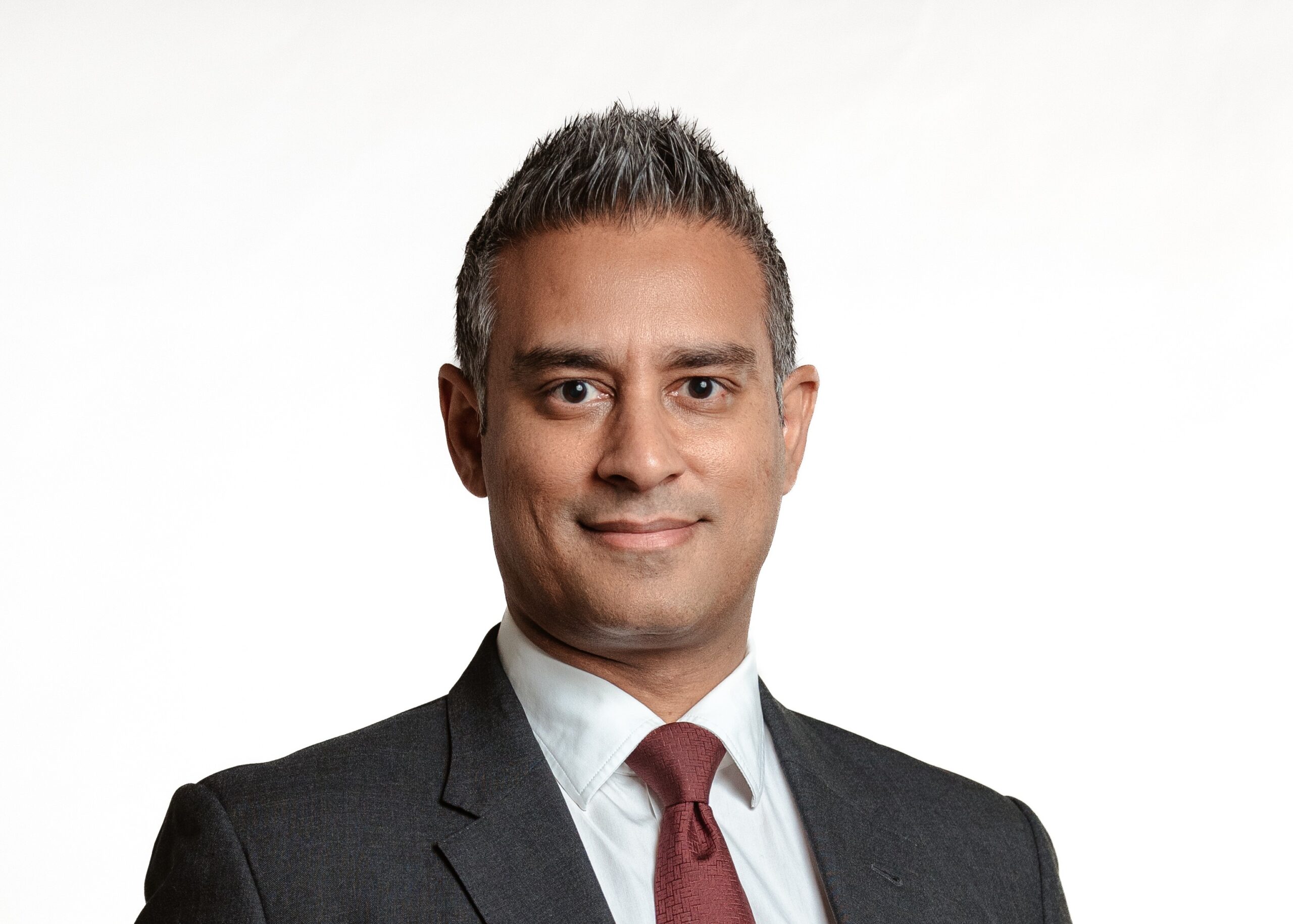
According to Akshay Dosaj, Managing Partner at Eleven Legal Partners FZC, companies are increasingly building granular safeguards into contracts—focusing on partial performance, pricing adjustments, and deal certainty—while also rethinking compliance, workforce strategies, and resilience in a more complex and regulated business environment.
How are force majeure clauses evolving in the UAE?
Force majeure clauses are no longer being treated as boilerplate but are being considered by parties in more commercial and practical terms. Parties are now calling out specific risks like conflict, sanctions and supply chain disruption, and thinking through what happens when those risks arise. Businesses have realised that if risk isn’t allocated upfront, the outcome is left to a court which leads to commercial uncertainty.
Looking ahead, I expect clauses to become more granular, particularly around partial performance, pricing adjustments and stepped remedies. The direction is clearly moving towards risk-sharing, rather than all-or-nothing outcomes.
Are commercial disputes and restructurings on the rise?
Yes, and it’s being driven by sustained pressure rather than one-off events. Higher costs, slower payments and tighter liquidity are exposing weak assumptions in deals and business models. What would previously have been absorbed or negotiated (because disruption was expected to clear quickly) is now escalating much faster.
I was recently involved in a transaction that progressed smoothly, terms agreed, diligence completed and both sides aligned. Very late in the process, the buyer was unable to secure funding, which led to a breakdown in the relationship, and a lot of time and effort wasted on both sides. In this situation the issues did not lead to a commercial dispute, however, we expect to see more drafting in contracts to capture these events in the future.
This is where many transactions are still too relaxed. Funding is often treated as a box-ticking exercise rather than a real risk to underwrite. If the deal depends on financing, then deal certainty needs to be contemplated and built into the transaction documentation from day one. I expect to see more front-loaded protections, proof of funds, committed facilities, and deposits to provide greater deal certainty.
What legal risks are emerging from ongoing supply chain disruptions?
Most contracts simply weren’t built for sustained disruption. When delays or cost increases unexpectedly arise, there’s often no clear answer on who carries them, which is where disputes begin. Payment obligations typically remain fixed, which adds further pressure.
We saw this on a matter where a supplier faced upstream delays, but the contract imposed strict delivery timelines and liquidated damages with no flexibility. The customer held firm on payment. The outcome was predictable, liability was triggered, payment was contested which ultimately led to a breakdown in the relationship.
The underlying problem wasn’t the disruption, it was the assumption that things would run smoothly. Going forward, contracts will need to price in disruption, if they don’t, they will continue to fail and lead to disputes.
How can companies strengthen resilience amid economic uncertainty?
Parties have to be realistic about their cash position, where they are and how long they can operate under pressure. Most businesses are less resilient than they think once assumptions are tested. From there, it’s about tightening fundamentals, stronger contracts, better payment protection, and enforceable rights when things go wrong. Counterparty risk also needs more attention than it typically gets.
The shift I see coming is away from optimising for growth at all costs and toward protecting downside. Businesses that build flexibility into their structure will outperform those that are efficient but fragile.
What UAE employment law changes are impacting workforce strategies?
The changes are more meaningful than many businesses realise. The move to fixed-term contracts has forced employers to be more deliberate around renewals and exits- you can’t just let things run indefinitely anymore.
At the same time, there’s been a big push toward flexible working models, part-time, remote, project-based roles. That’s helpful commercially, but I’m seeing a lot of businesses adopt these structures without properly updating their contracts or internal policies, which creates issues around benefits, termination and working hours.
Another shift is how disputes are handled. Employees now have more protection and more time to bring claims, and in some cases employers are still exposed to wage obligations during disputes. That changes the dynamic quite a bit, issues don’t resolve as quickly or as cleanly as they used to.
Emiratisation is also a real factor now. For many businesses it’s not just a compliance point, it’s something that directly impacts hiring plans, cost, and team structure.
How can businesses stay compliant in an increasingly complex regulatory landscape?
The biggest mistake I see is treating compliance as a documentation exercise rather than a function. Compliance needs to be embedded into the business, clear ownership, regular updates, and alignment across teams.
More broadly, there is still a tendency in the market to treat legal and compliance as a formality, something to be finalised at the end of a deal rather than used to structure and control risk from the outset. That approach doesn’t hold up in a more volatile environment. Legal needs to be part of the commercial strategy, not an afterthought.
The regulatory environment in the UAE is moving in the direction of more scrutiny, more accountability, and more enforcement by authorities. Businesses that take a reactive approach will always be behind, and are likely to face significant penalties.